Workflow and opportunity audit
Map recurring work, friction, handoffs, decision points, and risks. Prioritize AI use cases by value, feasibility, and the cost of being wrong.
AI adoption consulting for IT teams
I help business analysts, systems analysts, product managers, and technical product managers redesign team workflows with AI — so the result is faster, more consistent work with clear human ownership.
The gap I help close
A few strong prompts do not create an operating model. Sustainable adoption needs the right use cases, reliable context, review points, ownership, and a way to measure whether the work actually improved.
Everyone experiments differently, so quality and productivity gains depend on the person.
Requirements, research, analysis, documentation, and reviews remain slow despite access to AI tools.
The team lacks clear rules for data, validation, human approval, and responsible use.
Tools are purchased, but there is no prioritized pilot, baseline, owner, or success metric.
What we can build together
Map recurring work, friction, handoffs, decision points, and risks. Prioritize AI use cases by value, feasibility, and the cost of being wrong.
Design repeatable flows with the right context, prompts, reusable skills, integrations, tools, guardrails, and human review.
Create role-specific playbooks, examples, review standards, and hands-on enablement so the team can use and improve the workflows independently.
Define ownership, approved patterns, risk controls, feedback loops, and outcome metrics that support adoption beyond a single pilot.
Designed for cross-functional product delivery
The best opportunities often sit between roles: research becoming requirements, requirements becoming system design, decisions becoming backlog items, and delivery feedback improving the next iteration.
A practical engagement
Clarify business goals, current workflows, constraints, stakeholders, available tools, and risk boundaries.
Select use cases with meaningful upside and manageable risk. Define a baseline and what success will look like.
Design and test the workflow with real examples, explicit human review, and the people who will use it.
Document the working pattern, enable the team, assign ownership, measure outcomes, and improve through feedback.
An example from my own work
A complex analysis and requirements task was redesigned so an AI agent could prepare the first structured result, while an experienced analyst retained review and approval.
Typical deliverables
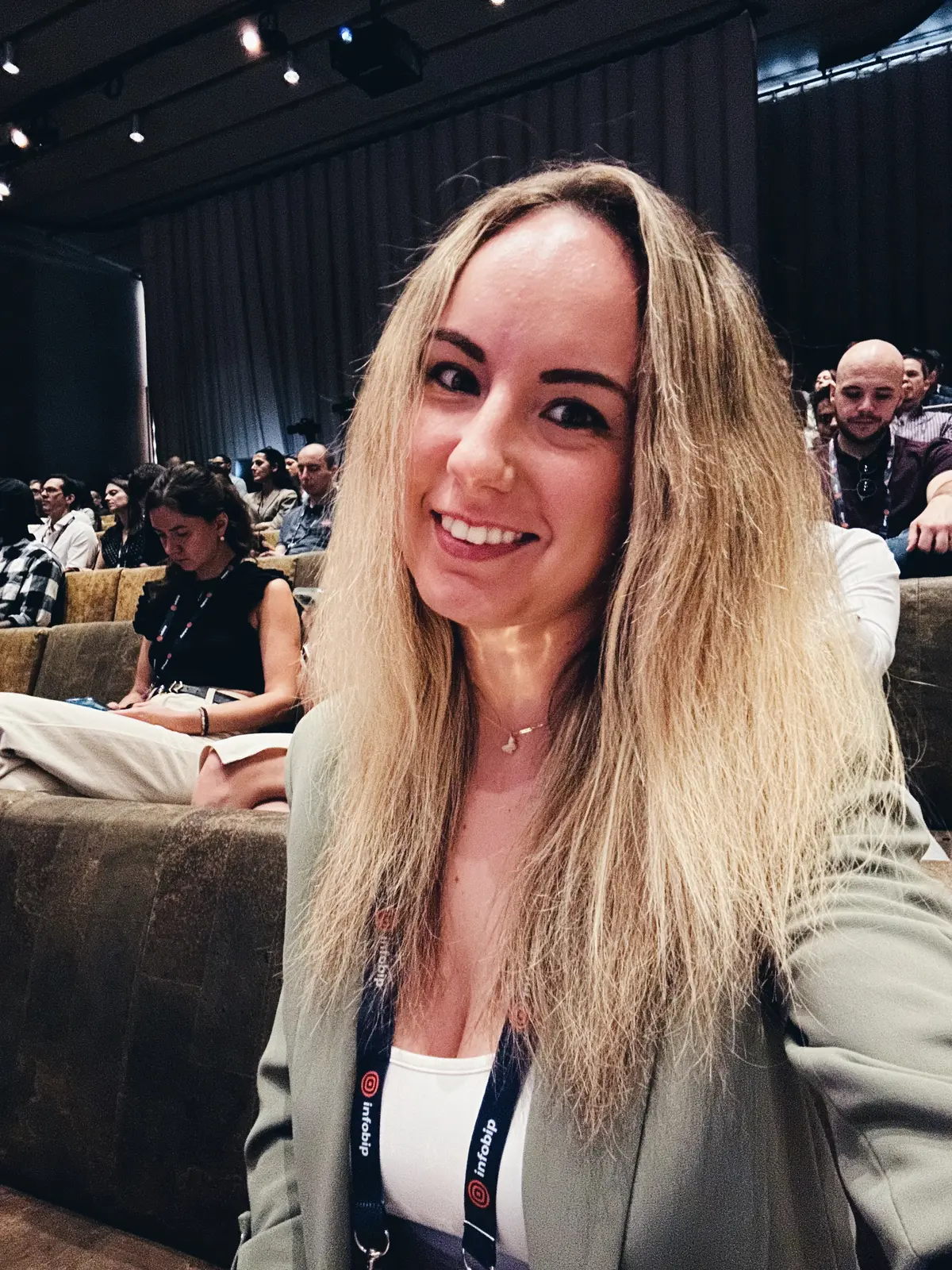
Your consultant
I am Ekaterina Ananyeva, founder of GetAnalyst and The Digital Unicorn, systems analyst, solution architect, educator, and technology founder based in San Diego.
I approach AI adoption as a systems-design problem: understand the work, model the decisions, design the flow, define failure handling, and make accountability visible. That lets teams move beyond demos without losing quality or control.
Questions teams often ask
No. Identifying the right workflow is part of the work. We start with business value, repeated effort, decision complexity, available data, and the consequences of an incorrect result.
Only when it fits your environment and goals. The work is vendor-aware but not vendor-led: process, context, security, integration needs, and operating constraints come first.
Yes. Data boundaries, permitted tools, access, retention, validation, human approval, logging, and escalation should be explicit parts of the workflow design.
No. The goal is to remove avoidable manual effort, strengthen consistency, and give people more time for judgment, stakeholder work, and complex decisions.
Yes — and that is usually the strongest starting point. A focused workflow creates evidence, reveals constraints, and gives the team a pattern it can improve and scale.
Start with a conversation
Send a short note about your team or current challenge. I will reply by email so we can decide whether a consultation makes sense.